Fall Prevention at Home: Safety Tips for Glenview Seniors
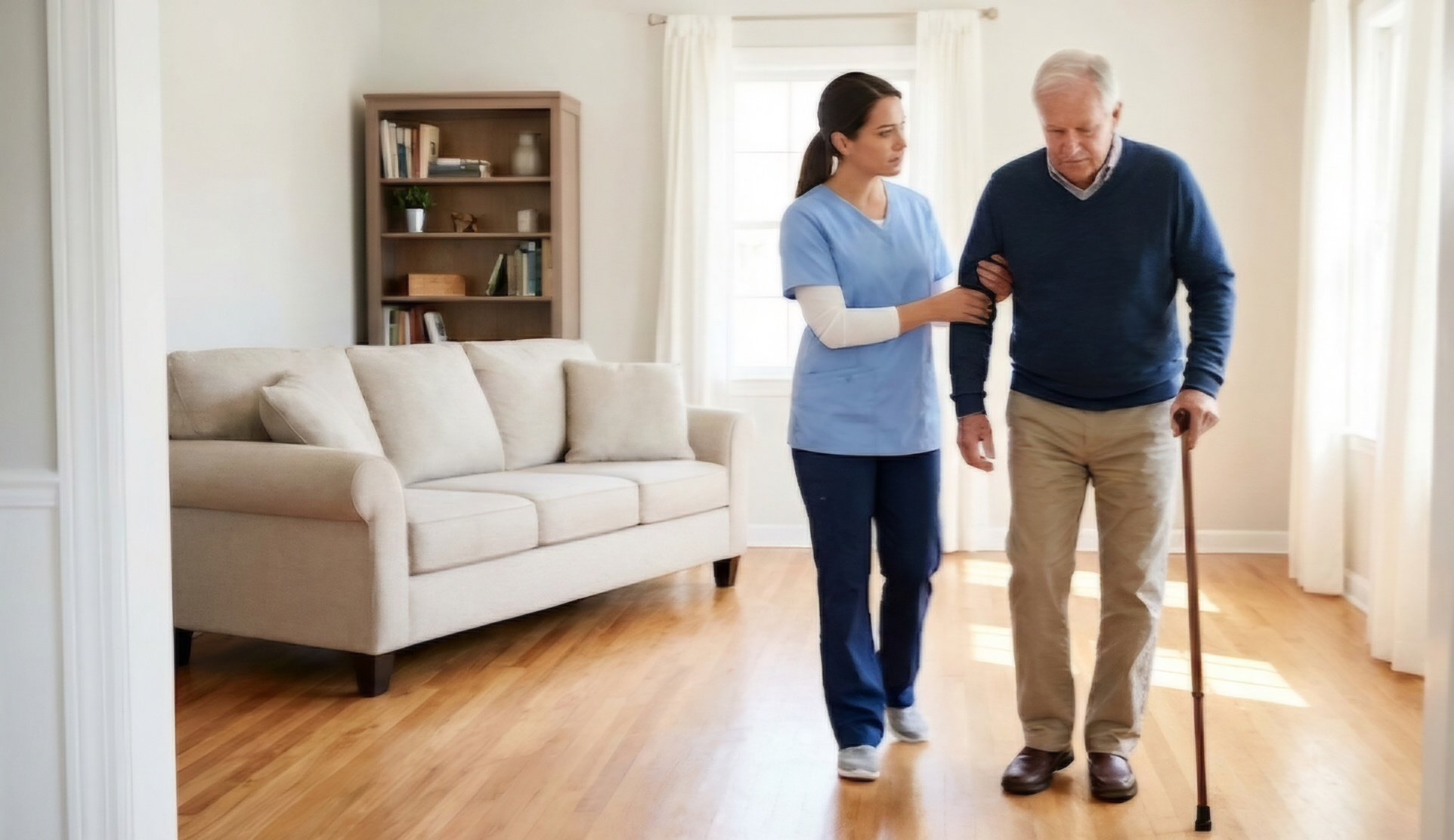
In Glenview and across Chicago’s North Shore, families are increasingly concerned about one of the biggest risks facing aging adults: falls. A single fall can change everything—confidence drops, daily activity declines, and independence becomes harder to protect. But the good news is that most falls are preventable with the right planning, home adjustments, and consistent support.
If you’re caring for a parent or loved one in Glenview, here’s how to reduce risks and help them feel safer, steadier, and more supported at home.
Start With a Home Safety Walkthrough
Falls don’t usually happen because of one dramatic hazard—they happen because of several small ones. Begin by taking a slow, honest walk through the home. Look for:
Clutter, stacks of paper, or items on the floor
Loose rugs or curled edges
Cords running across walking paths
Dark hallways or poorly lit staircases
Narrow pathways between furniture
Most of these hazards can be fixed in minutes, yet they significantly reduce risk.
Improve Lighting Everywhere
Seniors often fall not because they trip—but because they can’t see clearly.
A simple lighting makeover can transform safety:
Add nightlights in hallways and bathrooms
Increase wattage in dim areas
Use motion-sensor lights for nighttime movement
Install switch extenders for easier access
Good lighting supports confidence, especially for seniors who wake frequently at night.
Support Mobility With the Right Tools
Many Glenview families avoid installing supportive equipment because it “feels medical.” But modern tools blend into the home beautifully and can prevent serious injury.
Consider adding:
Grab bars near toilets and in showers
Stair handrails on both sides
Non-slip bath mats
Shower chairs or transfer benches
Bed railings for nighttime stability
These devices don’t take independence away—they protect it.
Medication Review Matters
Some prescriptions or combinations of medications can cause:
Dizziness
Low blood pressure
Sleepiness
Confusion
Encourage routine medication reviews with a physician or pharmacist. Even a small adjustment can dramatically improve safety.
Help Seniors Maintain Strength & Balance
Mobility changes naturally with age, but regular mild exercise can make a meaningful difference. Encourage:
Short daily walks
Light stretching
Seated leg lifts
Simple balance exercises
If your loved one has Dementia, or advanced cognitive changes impacting balance, it may be time to explore more specialized oversight:
Consider Hands-On Support When Needed
Families often take on fall prevention alone, but professional in-home care provides another layer of stability—especially during:
Bathing and dressing
Getting in and out of bed
Walking to the bathroom at night
Preparing meals or standing in the kitchen
Managing stairs
A caregiver’s presence often prevents the moment when a senior panics, rushes, or misjudges movement.
Safety Brings Back Confidence
Preventing falls isn’t just about avoiding injury—it’s about helping your loved one feel safe enough to keep moving, keep socializing, and keep living the life they love.
If you’re noticing new hesitations, fear of falling, or increasing instability, you’re not alone. Glenview families reach out every day looking for guidance on how to keep aging parents safe at home.
Comfort, mobility, and safety start with just one conversation.