Initiating a conversation about home care is one of the most delicate moments in a family’s life. For the senior, this discussion often feels like a threat to their "identity and autonomy." They may perceive the introduction of a caregiver as the first step toward institutionalization, rather than what it actually is: a strategy to prevent it.
The resistance often stems from fear—fear of losing control, fear of strangers in the home, or the clinical condition of anosognosia (lack of insight), where they genuinely do not see their own deficits.
Framing the Narrative: Independence, Not Dependence
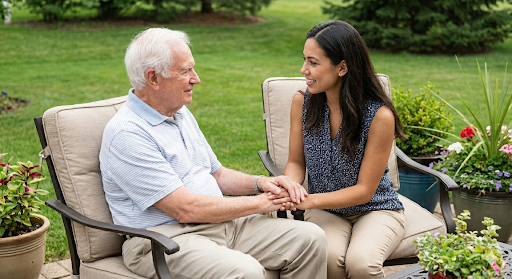
To navigate this successfully, the narrative must shift.
The conversation should not be about what they can't do, but about what they want to keep doing.
The "Manager" Approach
Frame the caregiver not as a "babysitter," but as an assistant.
"Dad, I know you want to stay in this house forever. To do that safely, we need to hire a 'staff member' to handle the heavy lifting (housekeeping, laundry) so you can focus on enjoying your garden”
The Safety Angle
Focus on objective data rather than subjective opinion.
"Mom, I’ve noticed you’ve had a few near-falls lately. I’m scared that one bad fall will land you in the hospital. Having someone here is an insurance policy to keep you out of the nursing home."
Timing and Tone
Avoid having this conversation during a crisis (like immediately after a fall), when stress levels are high. Choose a calm moment.
Start Small
Do not propose 24/7 care immediately. Suggest a trial run.
"Let's just try having someone come in for a few hours to help with the grocery shopping and meal prep."
This allows the senior to build trust with the caregiver without feeling overwhelmed
Involve Them in the Choice
Autonomy is key.
Let them interview the caregivers. Let them have a say in the schedule. When they feel part of the decision, compliance increases significantly.
Addressing the "Stranger" Danger
It is natural to feel uncomfortable having a stranger in the home.
At Comfort Angels Home Care, we emphasize that our role is to integrate into the family dynamic. We are guests in their home, there to facilitate, not to dictate.
Over time, the "stranger" becomes a trusted companion, often alleviating the profound loneliness that many seniors deny they are feeling.