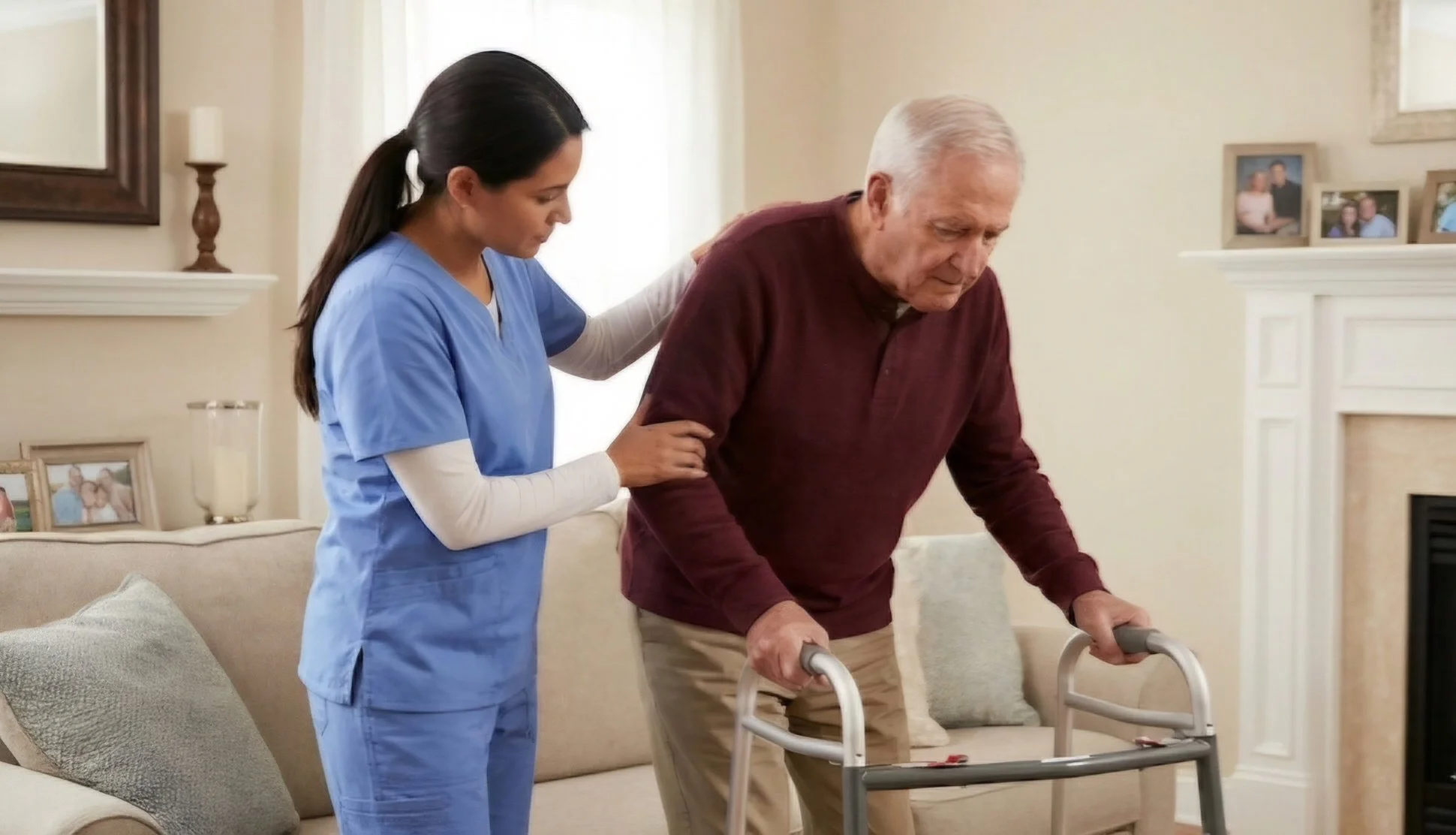
When a parent or loved one in Northbrook is diagnosed with Parkinson’s disease, families often find themselves navigating a new world filled with questions, uncertainty, and the need for reliable guidance. Parkinson’s is a progressive condition, and while every journey looks different, one thing remains constant: the home environment plays a major role in safety, mobility, and overall quality of life.
If you’re beginning to explore home care options for a loved one with Parkinson’s, here is a clear and compassionate guide to understanding what support looks like—and how to make daily life more manageable and secure.
Parkinson’s Affects More Than Movement
Many people associate Parkinson’s with tremors, but families quickly learn the condition impacts much more than steady hands.
Parkinson’s may affect:
Balance and stability
Walking stride and speed
Sleep patterns
Mood or cognitive clarity
Daily routines and personal care tasks
Swallowing or eating safely'
These changes can happen slowly at first, then suddenly become more noticeable. Understanding these symptoms is the first step toward creating the right care plan.
Why Home Care Makes a Difference
Trying to manage Parkinson’s needs alone can quickly become overwhelming. Home care allows seniors to stay safe while continuing to enjoy the comfort and familiarity of their Northbrook home.
A caregiver trained in mobility assistance can help with:
Standing up safely from chairs or beds
Preventing falls in tight or cluttered areas
Bathing and dressing without strain
Safe meal preparation and hydration reminders
Medication reminders (non-medical)
Gentle exercise and guided movement
Families who need support understanding conditions that impact memory or cognition often explore additional resources:
Making the Home Safer for Parkinson’s
Simple modifications can drastically reduce risks:
Use non-slip shoes and non-slip mats
Install handrails near steps and in hallways
Keep floors clear of clutter
Avoid deep, soft furniture that’s hard to stand up from
Improve lighting in rooms used at night
These adjustments create a safer walking path and reduce the fear of falling—one of the biggest challenges for seniors with Parkinson’s.
Maintaining Mobility Through Daily Support
Parkinson’s symptoms often worsen when seniors become less active. Movement, even in small doses, helps maintain muscle strength and balance.
A trained caregiver can support:
Walking practice
Light stretching routines
Gentle mobility exercises
Encouragement to stay active and engaged
Structured, supportive movement can slow the progression of mobility limitations.
Emotional Support Matters Just as Much
Parkinson’s affects confidence. Tasks that used to feel effortless begin to feel risky. Many seniors start withdrawing socially because they worry about “slowing others down” or being seen struggling.
This emotional side of Parkinson’s is just as important to address as the physical ones. A compassionate caregiver offers:
Patience
Reassurance
Encouragement
Steady presence during tough moments
They help restore dignity and confidence—something every family wants for their loved one.
When to Seek More Comprehensive Care
Families often wait too long to bring in help, thinking they should “manage it a bit longer.” But early support prevents injuries, delays decline, and makes daily routines far less stressful.