
The Hidden Impact of Loneliness on Older Adults
Loneliness is often invisible but deeply impactful. Understanding its effects helps families support emotional wellness for aging loved ones.

Why Social Connection Is Essential for Senior Health
Human connection remains essential at every stage of life. Regular conversation and companionship help seniors maintain emotional and cognitive well-being.

How to Divide Caregiving Responsibilities Among Siblings
Open communication and clear expectations help siblings work together to support aging parents.

How to Support Aging Parents Who Live Alone
Living alone can be empowering for seniors, but it also introduces risks. Families can help ensure safety through proactive support.

Balancing Work and Caregiving: Tips for Adult Children
Caregiving while managing a career can be overwhelming. Strategic planning and outside support help families maintain balance.
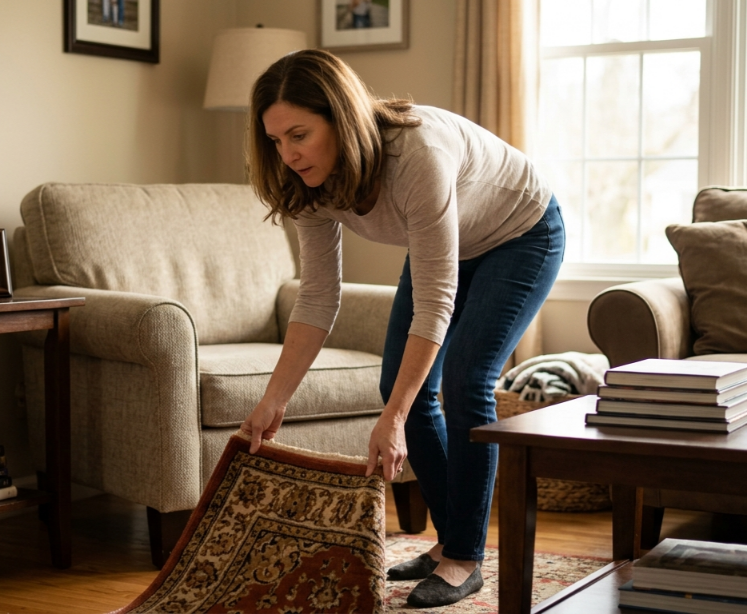
How Families Can Prepare a Home for a Caregiver
Small preparations can make a big difference when welcoming a caregiver into the home. Organization and communication help create a positive start.

What to Expect During the First In-Home Care Visit
The first caregiver visit sets the tone for a successful care relationship. Understanding what to expect can help families prepare with confidence.

How to Start the Conversation About Home Care With Aging Parents
Many families struggle to introduce the idea of in-home care. A respectful, thoughtful conversation can help parents feel supported rather than pressured.
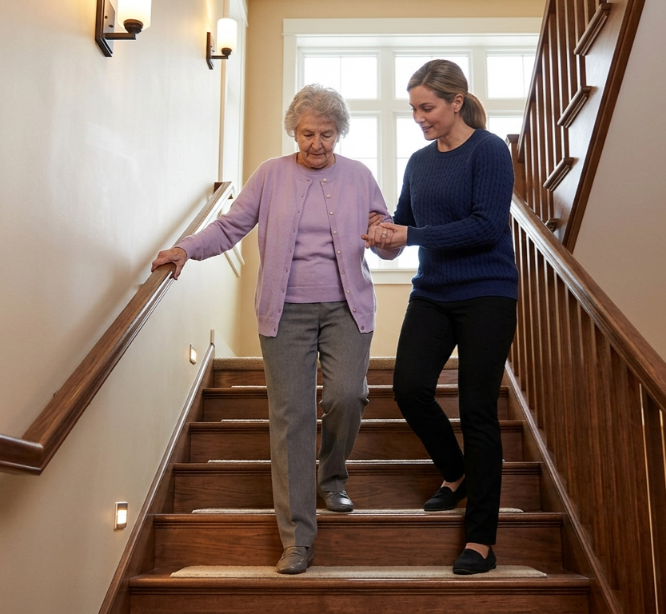
How to Make Stairs Safer for Seniors at Home
Stair safety is a critical part of aging at home. From railings to lighting, small improvements can dramatically reduce fall risk.

Signs It May Be Time to Consider In-Home Care
Changes in safety, mobility, or daily routines may signal that a loved one needs help. Early support can prevent larger health challenges.