
The Peace of Mind Guarantee: Why Reliability is Non-Negotiable in Home Care
When care is inconsistent, everything else becomes uncertain. Missed visits, late arrivals, or unfamiliar caregivers can disrupt routines and create unnecessary stress. Reliability isn’t just a convenience—it’s the foundation of safe, trustworthy home care. Understanding what ensures dependable support can make all the difference in long-term peace of mind.

How Personal Care Supports Senior Dignity and Comfort
Personal care extends beyond physical assistance—it directly influences emotional well-being, confidence, and daily comfort. Maintaining dignity while receiving help requires thoughtful, respectful support. The right approach empowers independence while ensuring safety and care.

The Importance of Hydration for Seniors in Summer
Dehydration develops faster in older adults and can lead to serious health complications if left unnoticed. Changes in thirst perception and routine increase the risk. Recognizing early signs and preventative strategies is key to protecting health and safety.
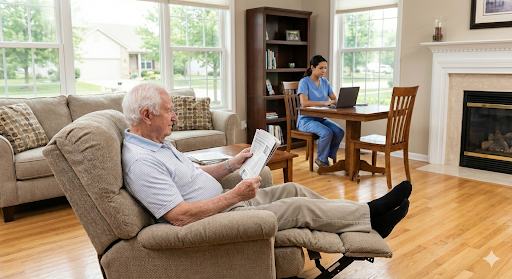
24-Hour Live-In Care vs. Nursing Homes: Why Home is Often Best
Care decisions often come down to one central question: remain at home or transition to a facility. Each option offers different benefits, limitations, and emotional impacts. Understanding these differences can help families make the most informed and compassionate choice.

4 Questions to Ask Before Hiring an In-Home Caregiver
Choosing a caregiver is one of the most important decisions families make. Beyond credentials, trust, reliability, and compatibility all influence the success of care. Asking the right questions early can prevent uncertainty and ensure confidence moving forward.
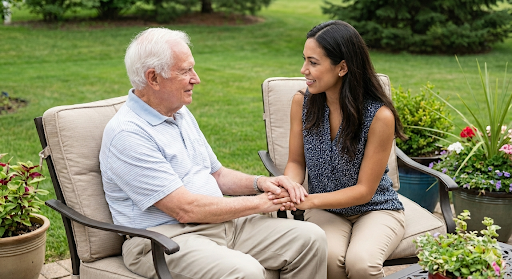
How to Talk to Parents About Accepting Care
Starting conversations about care can feel uncomfortable, emotional, and even intimidating. Many older adults associate assistance with a loss of independence. Knowing how to approach the discussion with empathy and respect can transform resistance into understanding and cooperation.

How Respite Care Prevents Burnout & Stress
Family caregivers provide extraordinary dedication—but constant responsibility can lead to exhaustion, stress, and burnout. Sustainable caregiving requires balance, recovery, and support. Taking proactive steps to protect caregiver well-being ensures better outcomes for everyone involved.
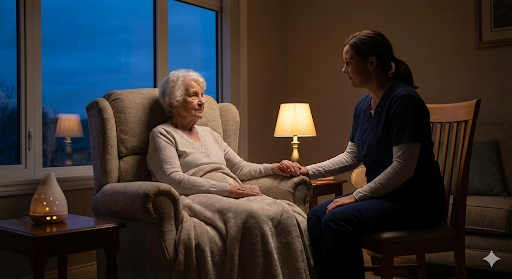
Managing Sundowning Syndrome
Late-day confusion, agitation, and restlessness can be deeply distressing for both seniors and their families. Sundowning syndrome disrupts routines, sleep patterns, and emotional stability. Understanding why these symptoms occur is essential to creating a calmer, safer evening environment.

The Silent Epidemic: Social Isolation in the "Silver Tsunami
Social isolation is one of the most serious yet overlooked threats facing older adults today. Loneliness affects not only emotional health but also physical and cognitive well-being. Meaningful human connection can restore purpose, improve outlook, and dramatically enhance quality of life.
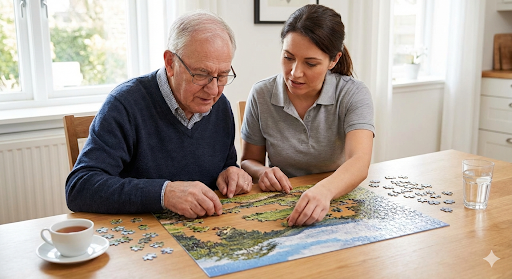
Fun Activities to Stimulate Cognitive Health and Memory in Seniors
Mental stimulation plays a vital role in preserving cognitive function and emotional well-being. Engaging activities do more than pass the time—they strengthen memory, improve mood, and support overall brain health. Even small daily habits can make a meaningful difference over time.