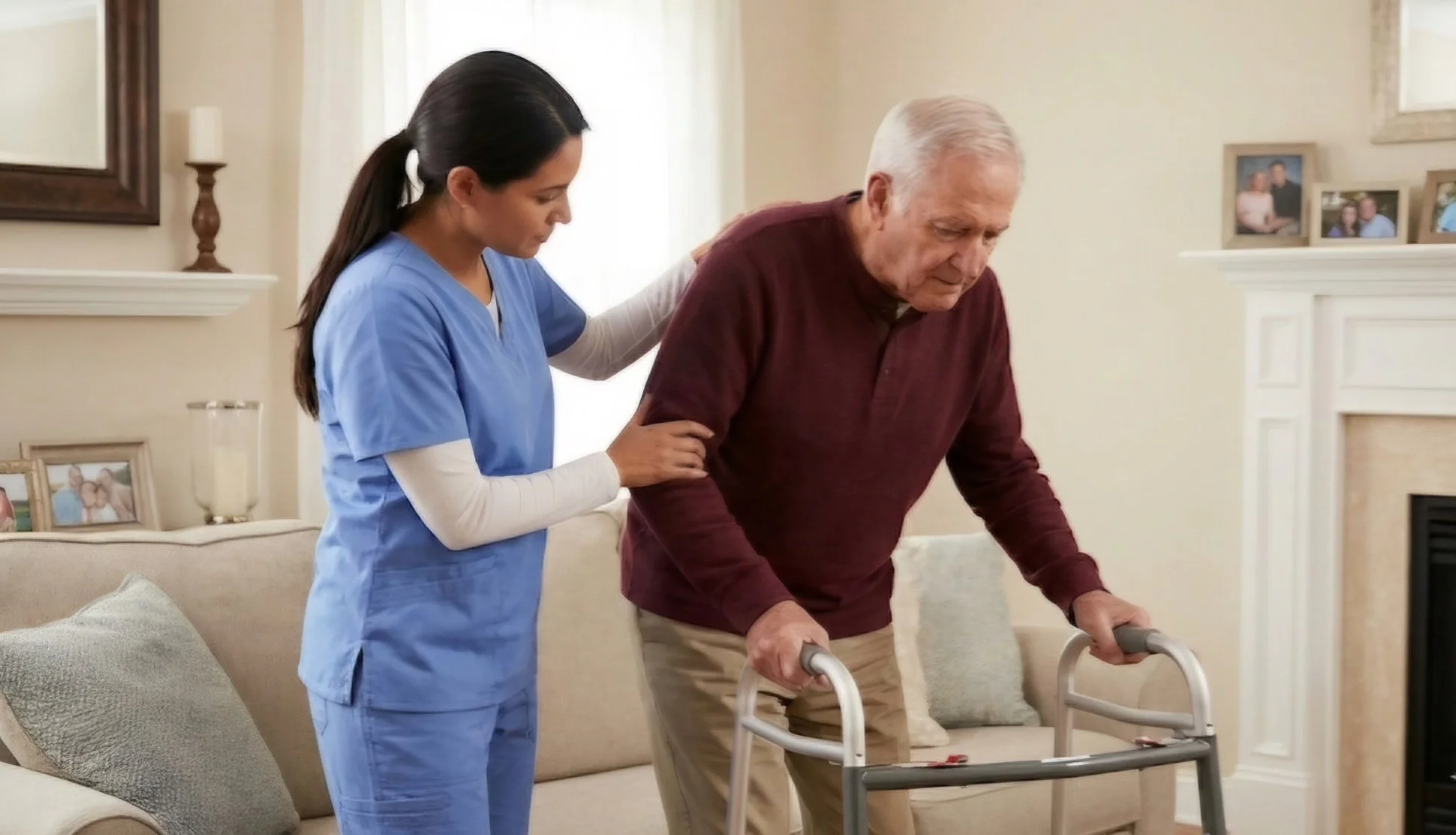
Parkinson’s Home Care: What Northbrook Families Should Know
Parkinson’s disease affects movement, balance, and daily function in complex ways. Specialized support can help manage symptoms and maintain independence. The right care approach focuses on both safety and preserving quality of life.
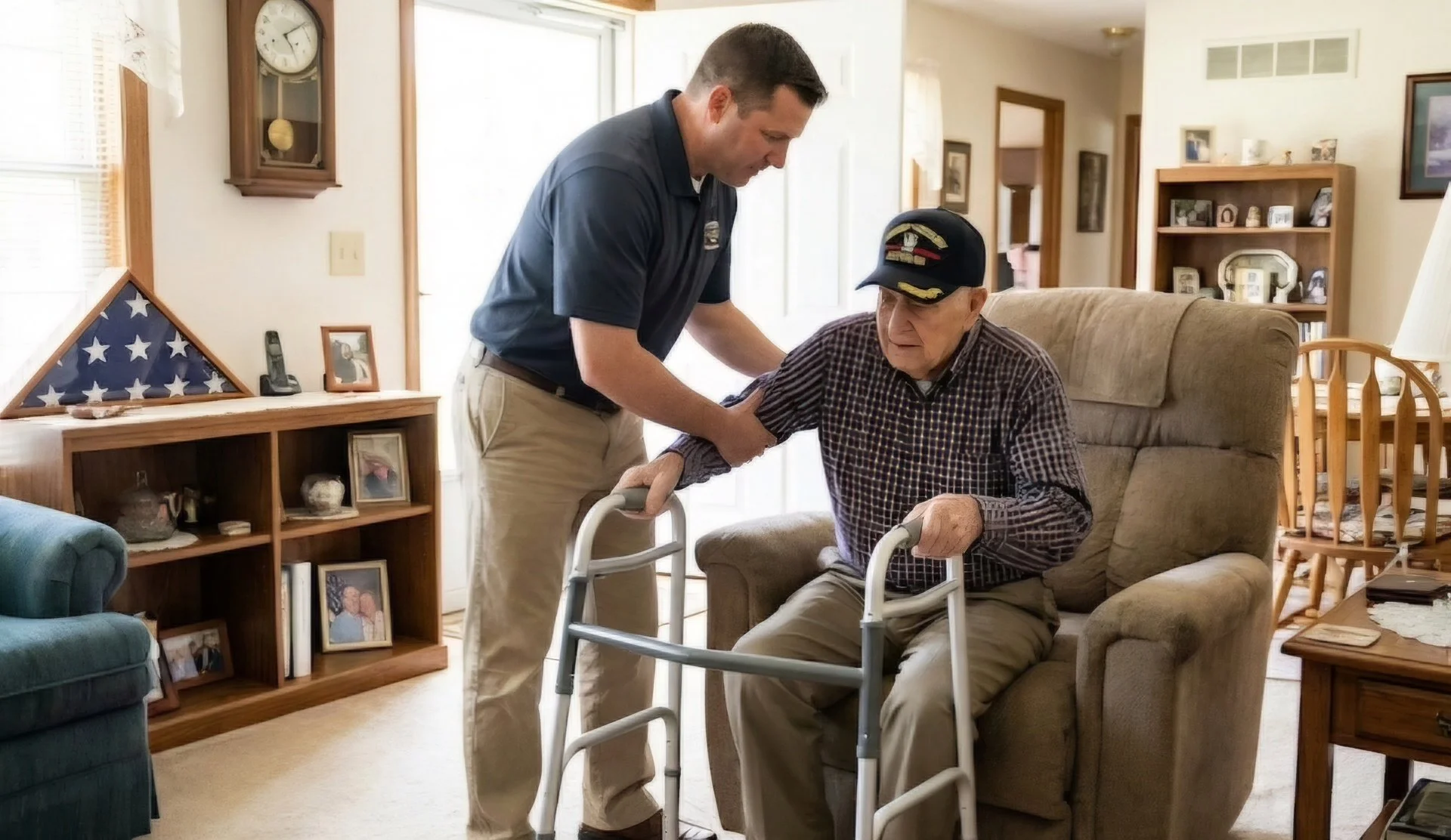
How Veterans Use Home Care Services on the North Shore
Veterans often face unique physical and emotional challenges as they age. In-home care provides personalized support while honoring independence and dignity. Understanding available care options can make a meaningful difference in long-term comfort and quality of life.
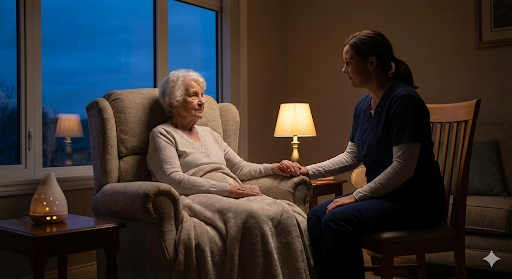
Managing Sundowning Syndrome
Late-day confusion, agitation, and restlessness can be deeply distressing for both seniors and their families. Sundowning syndrome disrupts routines, sleep patterns, and emotional stability. Understanding why these symptoms occur is essential to creating a calmer, safer evening environment.
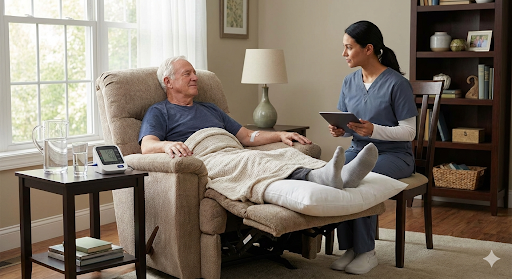
Essential Tips For the First 72 hours in Post-Surgery Recovery
The first 72 hours after returning home from surgery are often the most vulnerable period of recovery. Small oversights can lead to complications, discomfort, or delayed healing. Understanding what to expect—and how to prepare—can make a critical difference in ensuring a safe and stable recovery process.

The Importance of Medication Management for Seniors
Managing multiple medications is a growing reality for many older adults, but it also introduces serious risks when not carefully monitored. Timing, dosage, and interactions all play critical roles in maintaining health. Without proper oversight, medication routines can quickly become overwhelming and potentially dangerous.
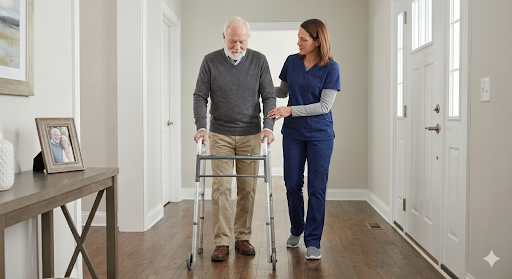
Improving Quality of Life at Home for Seniors with Parkinson Disease
Parkinson’s disease affects far more than movement—it influences coordination, energy levels, and daily independence. As symptoms evolve, simple tasks can become increasingly difficult without the right support. Understanding these challenges is the first step toward creating a safer, more manageable daily routine that preserves dignity and quality of life.
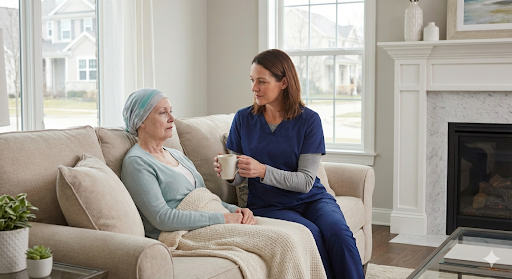
Navigating Cancer Treatment with In-Home Care
Recovery doesn’t end at discharge—it simply enters a new and critical phase. The home environment plays a powerful role in healing outcomes, influencing comfort, safety, and emotional stability. With the right support system in place, recovery at home can reduce complications, support independence, and promote faster, more sustainable healing.
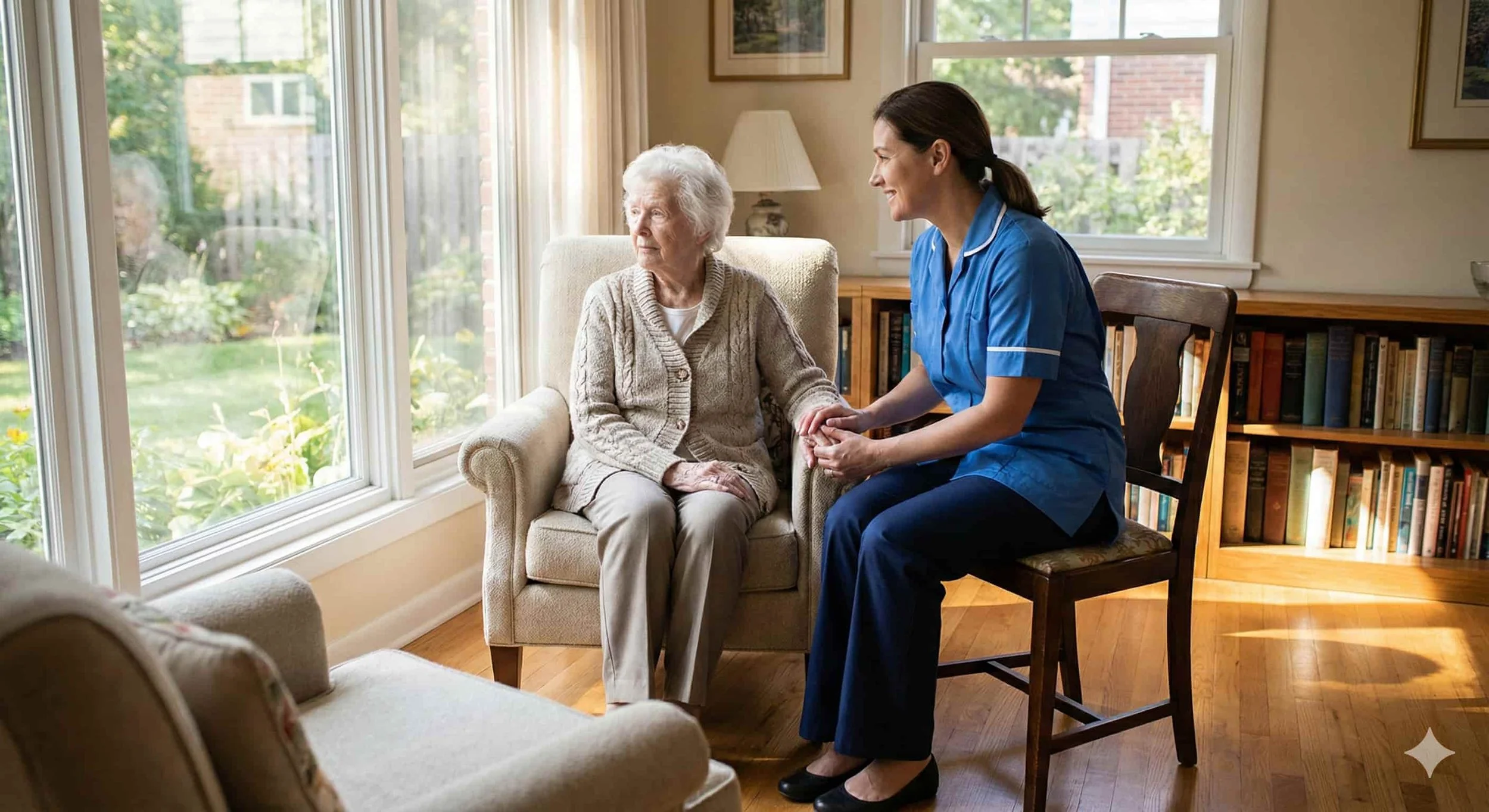
Is it Aging or Dementia? How to Recognize Early Warning Signs at Home
Memory changes are often dismissed as a normal part of aging—but when does forgetfulness become something more serious? Subtle shifts in behavior, decision-making, or daily functioning may signal early cognitive decline. Recognizing these warning signs early empowers families to seek support, improve quality of life, and make informed care decisions before challenges escalate.

In-Home Physical Therapy Assistance
Discover how in-home physical therapy assistance supports safer recovery, helping seniors rebuild strength, mobility, and confidence while healing comfortably at home.