
4 Questions to Ask Before Hiring an In-Home Caregiver
Choosing a caregiver is one of the most important decisions families make. Beyond credentials, trust, reliability, and compatibility all influence the success of care. Asking the right questions early can prevent uncertainty and ensure confidence moving forward.
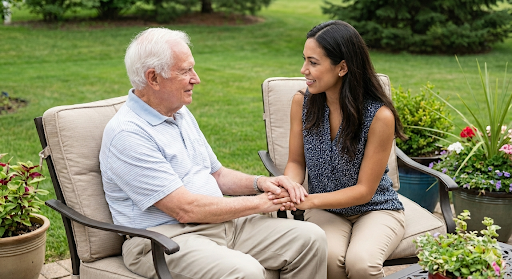
How to Talk to Parents About Accepting Care
Starting conversations about care can feel uncomfortable, emotional, and even intimidating. Many older adults associate assistance with a loss of independence. Knowing how to approach the discussion with empathy and respect can transform resistance into understanding and cooperation.

How Respite Care Prevents Burnout & Stress
Family caregivers provide extraordinary dedication—but constant responsibility can lead to exhaustion, stress, and burnout. Sustainable caregiving requires balance, recovery, and support. Taking proactive steps to protect caregiver well-being ensures better outcomes for everyone involved.
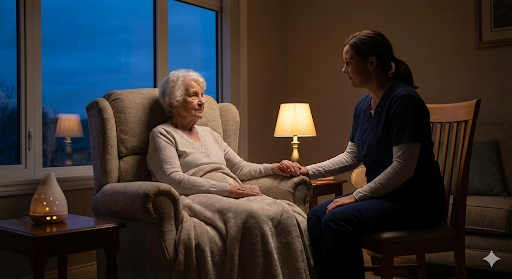
Managing Sundowning Syndrome
Late-day confusion, agitation, and restlessness can be deeply distressing for both seniors and their families. Sundowning syndrome disrupts routines, sleep patterns, and emotional stability. Understanding why these symptoms occur is essential to creating a calmer, safer evening environment.

The Silent Epidemic: Social Isolation in the "Silver Tsunami
Social isolation is one of the most serious yet overlooked threats facing older adults today. Loneliness affects not only emotional health but also physical and cognitive well-being. Meaningful human connection can restore purpose, improve outlook, and dramatically enhance quality of life.
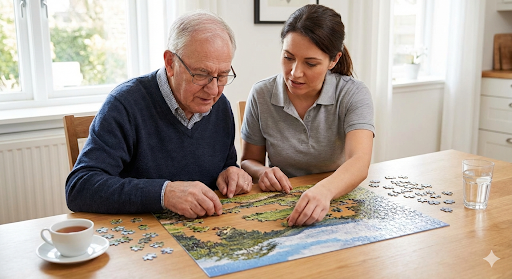
Fun Activities to Stimulate Cognitive Health and Memory in Seniors
Mental stimulation plays a vital role in preserving cognitive function and emotional well-being. Engaging activities do more than pass the time—they strengthen memory, improve mood, and support overall brain health. Even small daily habits can make a meaningful difference over time.

Dressing with Ease: Adaptive Clothing and Tips for Senior Independence
Getting dressed is more than a daily routine—it’s closely tied to personal identity, confidence, and independence. When mobility or dexterity becomes limited, even simple tasks can feel frustrating. The right adjustments can help preserve autonomy while maintaining comfort and dignity.
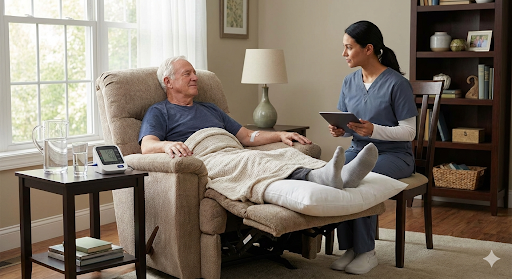
Essential Tips For the First 72 hours in Post-Surgery Recovery
The first 72 hours after returning home from surgery are often the most vulnerable period of recovery. Small oversights can lead to complications, discomfort, or delayed healing. Understanding what to expect—and how to prepare—can make a critical difference in ensuring a safe and stable recovery process.
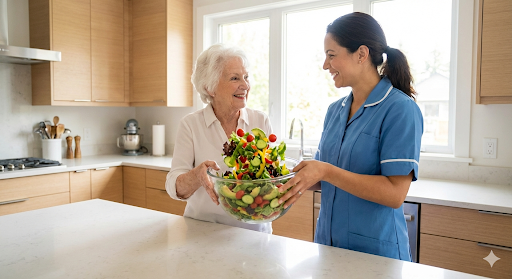
A Simple Guide to Healthy Eating for Seniors
Nutrition is one of the most overlooked factors influencing senior health, energy, and recovery. Appetite changes, physical limitations, and routine disruptions can all contribute to nutritional decline. Addressing these challenges early can significantly improve strength, resilience, and overall wellness.

The Ultimate Senior Home Safety Checklist: Effective Fall Prevention Tips
Remaining at home represents independence, familiarity, and emotional security—but aging in place requires thoughtful preparation. Safety, mobility, and daily support systems must work together to create a sustainable living environment. With the right foundation, individuals can continue living comfortably and confidently in their own space.